The Monster Times Interview
Posted by Emily Roach on 11th Aug 2026
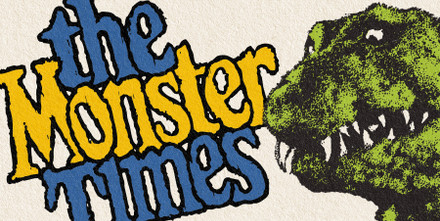
What happens when you cross classic horror, sci-fi geekdom, and anarchic 1970s New York? You get The Monster Times. Launched in 1972 by Larry Brill and Les Waldstein, it was an instant cult classic. Covering Star Trek, Satan on film, and every creature feature in between, TMT spoke directly to a generation of spooky kids obsessed with pop culture.
Armed with a craft knife and a caustic wit, its writers and designers—under editor Joe Kane—covered everything from EC Comics to the latest horror releases. Placed in the rich context of mid-century NYC (and featuring a cast including smut-peddler Al Goldstein), TMT was a true product of the underground golden age. Now the subject of an upcoming non-fiction book The Monster Times: Revisiting a Legend, it’s finally getting the deep-dive it deserves.
Want more monster mayhem and behind-the-scenes stories?
Grab your copy of The Monster Times: Revisiting a Legend today.
Order Your Copy
We sat down with the co-authors to talk Godzilla, 1970s NYC, and why a scrappy monster mag still matters.
1. Cole, Nancy, thanks for sitting down with me. Let’s start at the very beginning; how did you first encounter TMT and what about it caught your attention? Please tell us a little about your personal connection to the magazine.
Nancy Naglin: My husband Joe Kane, later the genre movie columnist for the New York Daily News, was the editor for almost the entire run (1972-1976) of The Monster Times. Of course, at the time I met Joe around 1979, I didn’t know any of that.
As I write in our book’s introduction, I was in his apartment on 15th Street in the Village for the first time; we were about to go out to dinner and I noticed a pretty beat-up comic tacked to his wall showing what looked to me like Joe, dressed in all black as usual, hunched over, exterminating bugs with a fire extinguisher. “Yep, that’s me—Roacho Rizzo,” said Joe, telling me how TMT co-creator Larry Brill had impressed him into posing for one of TMT’s wackier photo shoots to accompany issue #3’s “Special Bugs On Parade” issue. The cover of that issue has Spider-Man, in orange, in the upper right with a word balloon announcing: “Roaches, Ants, Fleas and Me on Page 6.”
Through Joe I gained a real appreciation for TMT’s groundbreaking tone, style, and, of course, the humour and satire that leaps off every page. Looking back—and really spending time with each issue of the run—I was continuously amazed at how relevant the writing still is, especially the film reviews and criticism. Most importantly, as far as TMT’s enduring legacy, I was struck by how contemporary TMT is—and that’s because it was leading the way with a frank, unvarnished way of discussing pop culture. Its groundbreaking style is the style of today—and you see it online, in podcasts, in journalism, and film criticism.
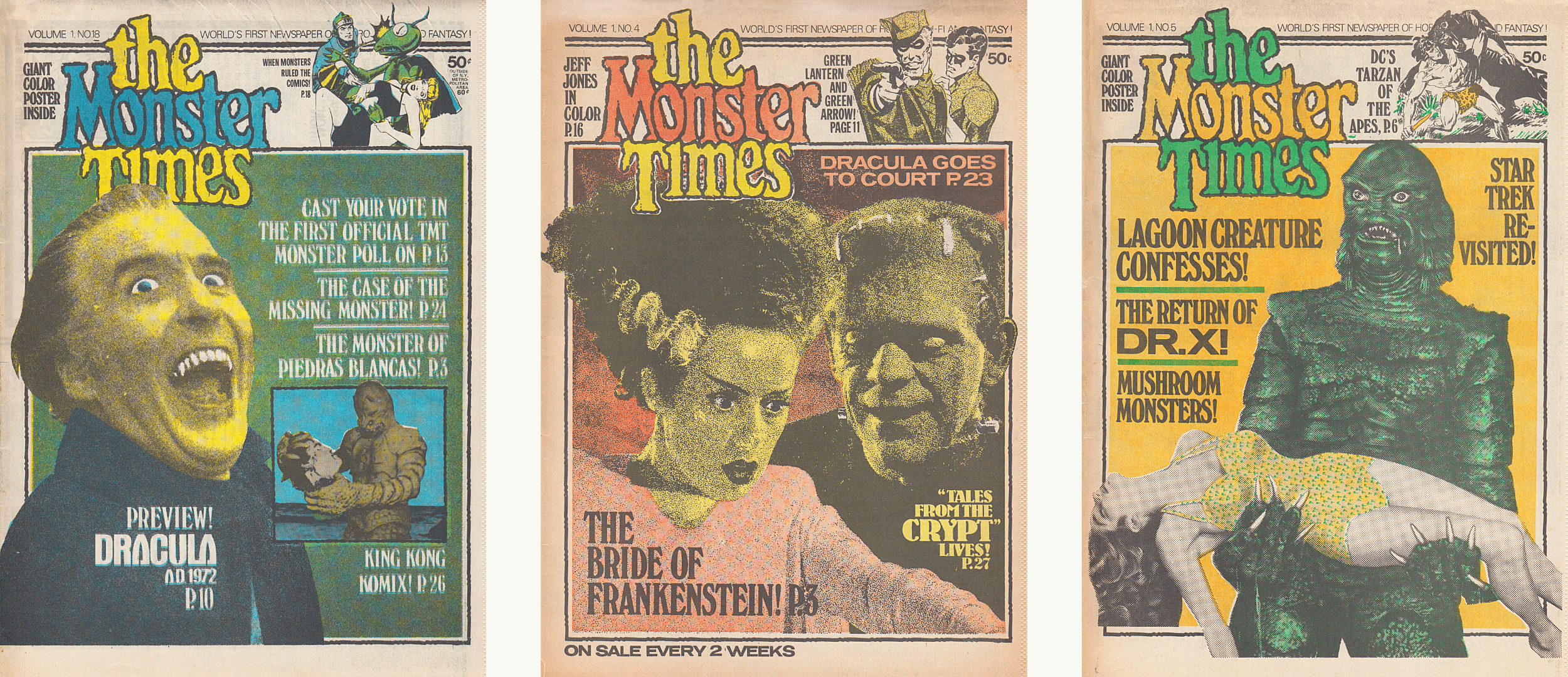
Cole Ferry: I was a Marvel Comics-reading teen who spotted a tabloid that had Spider-Man leaping off the cover. This was for me! It was issue #13 of The Monster Times, and unlike monthly comic books, this was every two weeks. Yes, it cut into our meagre budgets at twice the price of Stan Lee’s lineup, but nobody cared. We shared and passed around comics like playing cards. But TMT was saved, protected and timelessly enjoyed.
2. It seems to me that there was magic in the air in mid-20th century New York when it came to underground publishing. Korero readers may well be familiar with king of the sleaze Al Goldstein and his Screw empire, but many other alternative publications left a big impression on popular culture. Why do you think NYC, at that specific time, was such fertile ground for renegade publishing?
CF: Like publishing revolutions of all ages, when economics, tech and provocative content collide the results can be ground-breaking. Many small-run ’zines thumbed their noses at censorious corporate templates. Likewise, independent and daring comic book publishers flouted the Comics Code that mainstream companies had to comply with. Also, believe it or not, NYC rent wasn’t crushing. TMT was helmed and created by two art directors, Larry Brill and Les Waldstein (The Two and Only). Their distinctive sense of design and on-the-fly execution make the issues come alive and remain vital today.
NN: Looking back, what’s often overlooked is the tremendous hostility of mainstream institutions and public opinion towards the taboo-breaking “youth” generation of the ’60s and ’70s. This generation was growing their hair long, refusing to fight in Vietnam, and being open about sexual freedoms—in short, they were viewed as uncontrollable. Mainstream publications not only refused to hire this generation, they waged open warfare on it. It’s not surprising then that a robust alternative publishing scene sprang up. Pioneering publications like NYC’s The East Village Other, with a circulation of 65,000 in 1970, inspired similar papers nationwide.
These underground papers were not always polished publications (financial constraints hindered design, staffs sometimes operated like communes) but they were effective in focusing on concerns the mainstream shunned. In NYC, this vibrant publishing scene changed the face of journalism and incubated many writers like Joe, who, later when mainstream newspapers realised they needed to adapt or be out of touch, continued their careers in the mainstream publications that once scorned them.
In NYC in particular, an underground publishing scene could flourish, helped by the availability of client-hungry presses. Some presses had over-expanded in the ’50s and were eager to extend credit to up-and-coming mags. It was a pre-internet era, and the printed word was the medium. Everyone wanted to participate—as writers, cartoonists, designers—and some who aspired to be magazine moguls. In fact, Al Goldstein’s success with Screw helped fuel a frenzy in sex-centric mags and tabloids that emulated Screw’s mix of politics, porn, culture and sass.
Adding to the magic, the secret sauce that made all these publications—from Screw to TMT—was the countercultural ’tude. Joe and a lot of the writers he brought to TMT wrote for many of these NYC publications; they were inventing and living that lifestyle. Joe brought that ’tude to TMT where it was distilled and wrapped up in monsters. Fans picked up on the subversive messages. TMT, like a lot of the underground press, was satiric fun. It was an entrée to hipness. And you, the reader, were in on it!
3. What seems to set TMT apart from its forefathers, like Famous Monsters of Filmland, is the range of subjects covered, from sci-fi, comics, horror films in general and of course, the titular monsters. Was tapping into a broader sense of geek fandom the secret to TMT’s success?
CF: We never felt like we were being spoken down to. If you responded to the sarcastic, but affectionate vibe that was always set by “the letter from the Editor”, you were along for the ride. Led by Editor Joe Kane, the roster of writers and artists covered the revival of the Star Trek TV reruns, early comic book conventions, fledgling independent low-budget flicks such as Night of the Living Dead as well as studio blockbusters, like Planet of the Apes and Jaws. I realise that I’m biased but the mid-1970s were an ideal time to reach out and include all types of fans into the enticing big tent that was TMT.
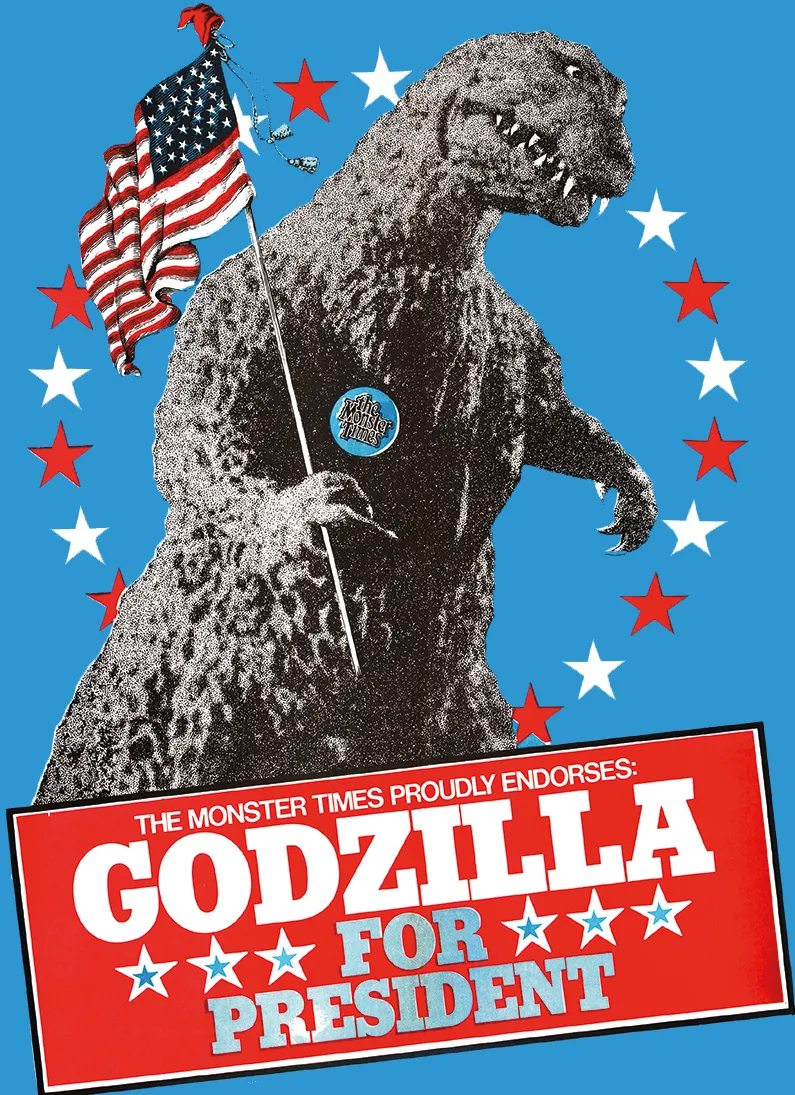
NN: TMT was the leader in bringing all the various components of pop culture together in one publication and understanding, maybe before anybody else did, that pop culture is the culture. Spider-Man, The Corpse Grinders, Star Trek, The Planet of the Apes, The Exorcist, and the films coming out today aren’t isolated societal fragments. Together, they show who we are, what we fear, how we live, how we ought to live. In addition to celebrating all of pop culture, TMT cut to the heart of these matters with satire and wit. The mostly teenage male audience couldn’t get enough of it! And the older crowd appreciated the take-downs spiced with monster fun: for example, the popularity of TMT’s 1972 Godzilla for President campaign.
4. Cole, I think your point about “not being spoken down to” helps explain some of the enduring affection many readers still have for TMT—it was silly, sure, but also a little cerebral. How important was this clever, sometimes audacious humour to the soul of TMT?
CF: I really like your choice of the word “audacious”, even though thirteen-year-old me didn’t know what that meant. We did possess the nervy confidence that comes with being a teenager and who didn’t want to be the sharpest knife in the drawer? The editorial tone made you feel that you were part of a bigger community that happened to like monsters, apes and aliens. The outrageously manipulated visuals, punchy gags and satiric jabs all reinforce that point-of-view by creating a sense of being in on the joke.
One of my favourite features was The Monster Times teletype, scribed by Bill Feret, whose gossipy and behind-the-scenes peeks clued us in that Planet of the Apes was coming to TV and that “Cyborg” was the original name of “The Six Million Dollar Man”. The imaginary clicking, clacking missives appear in every single issue and compliment the self-mocking that the staff often subjected themselves to. A pseudo apology follows: ‘That Godzilla interview was strictly fabrication...we were royally duped by the writer, Dean Latimer, whose dismembered body, we regret to report, was found smeared from the 112th to the 120th floor of the Empire State Building’s façade last month and we’ll never run anything like that again! Sincerely yours, Dean Latimer’.
A great comedian paces his set to maximise a punchline; likewise, TMT paced its articles with serious content on one page and then smacked you with a laugh-out-loud graphic of an aggrieved King Kong on the next. Flipping through the pages was like careening around a carnival dark ride. One minute a jump scare, unsettled chuckling the next.
NN: Humour was essential. But not dopey, corny, kid-style humour. Satire was the lingua franca of the underground press and TMT—with editor Joe Kane leading the way—elevated the tone, ’tude and interests of the underground press into a sophisticated mash-up of monsters and cultural obsessions.
Pomposity-busting prose is what TMT excelled at. Its humour was barbed, off-the-wall and laced with intelligence and insights. The humour was often backed up with a visual that drove the message home—and had you laughing out loud. Absorbing the tone and the jokes made you feel like the smartest person alive. That in-your-face immediacy, that fresh, unvarnished style, meshed with the things teenagers thought—but may have been afraid to say aloud—but the TMT scribes had no such inhibitions. Everything was ripe for a takedown or a putdown. And TMT’s strongest selling point, why it endures to this day—it took subjects of great interest but not on high school curriculums and treated them seriously.
5. Nancy, you said “it was a pre-internet era…the printed word was the medium”—this calls to mind the evergreen concept of ‘the medium is the message’. Do you feel the DIY, cut-and-paste visual language enhanced the content of the magazine? Tell us a little about the interplay of design & text in TMT.
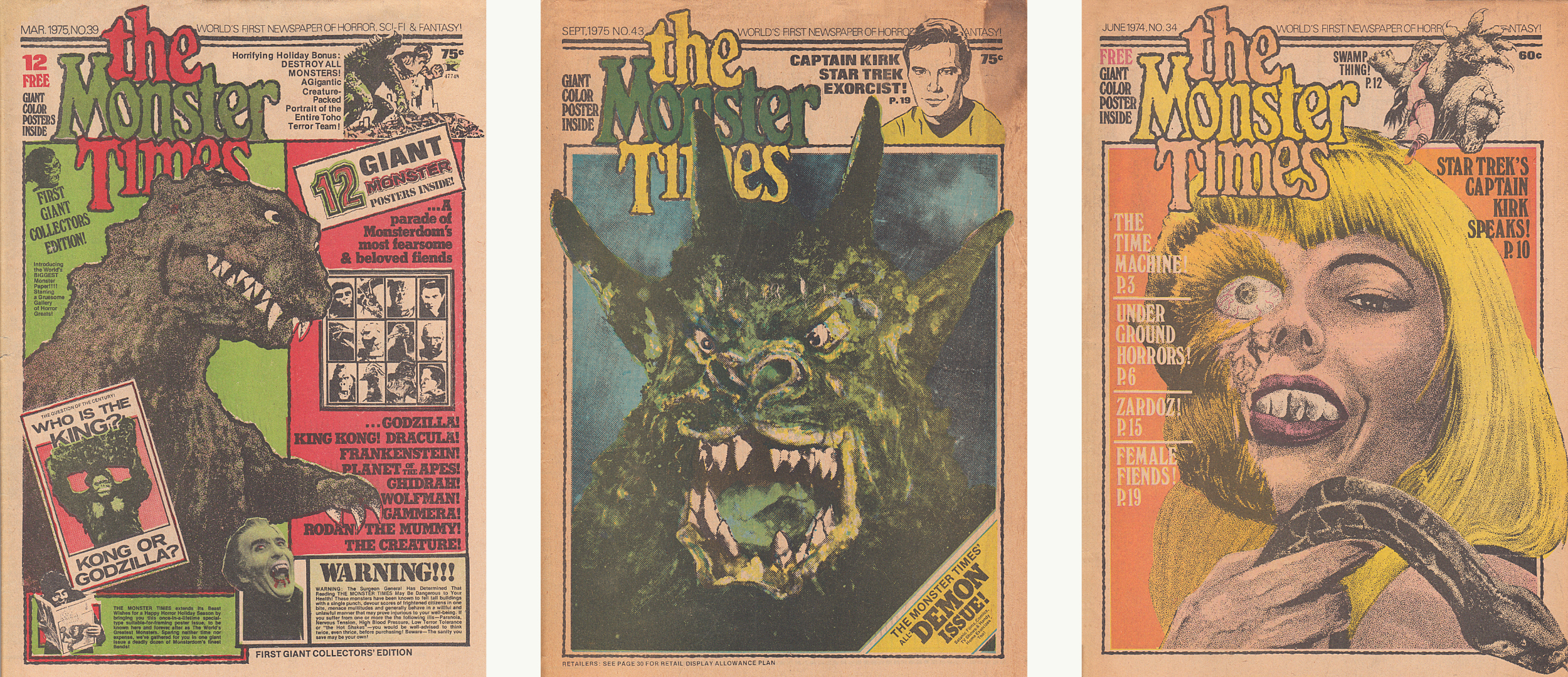
NN: The underground press loved the visual joke; the cartoon was the quickest shorthand to the ultimate putdown. The style and visual content of underground comix influenced both TMT’s editorial subjects and tone, as well as Larry and Les’ visual style. Visuals—film publicity stills, staged photo shoots, sketches, and original art—were intended as bookends or enhancements to the text.
While cut and paste was the only way pages were laid out and prepared for press in a pre-digital era, Larry took his layouts in a completely wild and novel direction by, for example, inserting “cut-outs” of monsters in the upper or lower corners of the cover to “interact” with a line of text or cover lines. He manipulated cut and paste to create a TMT “visual language” that was unmistakable, interactive and, 50 years later, memorable. Every visual was placed with intent: to enhance an editorial point, to react, as if in astonishment, at what is being said, to interact, playfully or antagonistically, with a visual elsewhere on the page or on an opposing page. Print affords that kind of visual interplay, and Larry loved pushing all the possibilities. You can look at a TMT page and, without reading a word, get the point or the joke.
CF: I’d like to jump in with a nod to Larry’s unique putrid palette of a two-colour ink process that included black and was swirled into blends of lurid reds, otherworldly purples and his signature favourite, ‘caterpillar guts green’. He positions images in challenging angles and never met a margin he didn’t break with a grasping claw/fang/paw. Examples of two mechanical paste-up boards appear in the book and show how layered and painstaking the process was to create a single page.
6. On the topic of visuals, TMT was quite unique in featuring notable comic artists of the day, like Bernie Wrightson’s spectral Frankenstein poster in the very first issue or Jeffrey Catherine Jones’ gothic Edgar Allan Poe strip. What made TMT such a welcoming platform for this calibre of artist, and how did those collaborations come together?
CF: The 1971 revision of the restrictive, anti-horror 1950s Comics Code changed the Bronze Age of comic books. One sentence in General Standards-Part B ignited a generation of key artists who sprang on the scene with the vengeance of an angry village mob. The sentence is: ‘Vampires, ghouls and werewolves shall be permitted to be used when handled in the classic tradition of Frankenstein, Dracula, and other high calibre literary works written by Edgar Allen Poe, Saki, Conan Doyle and other respected authors whose works are read in schools and around the world.’
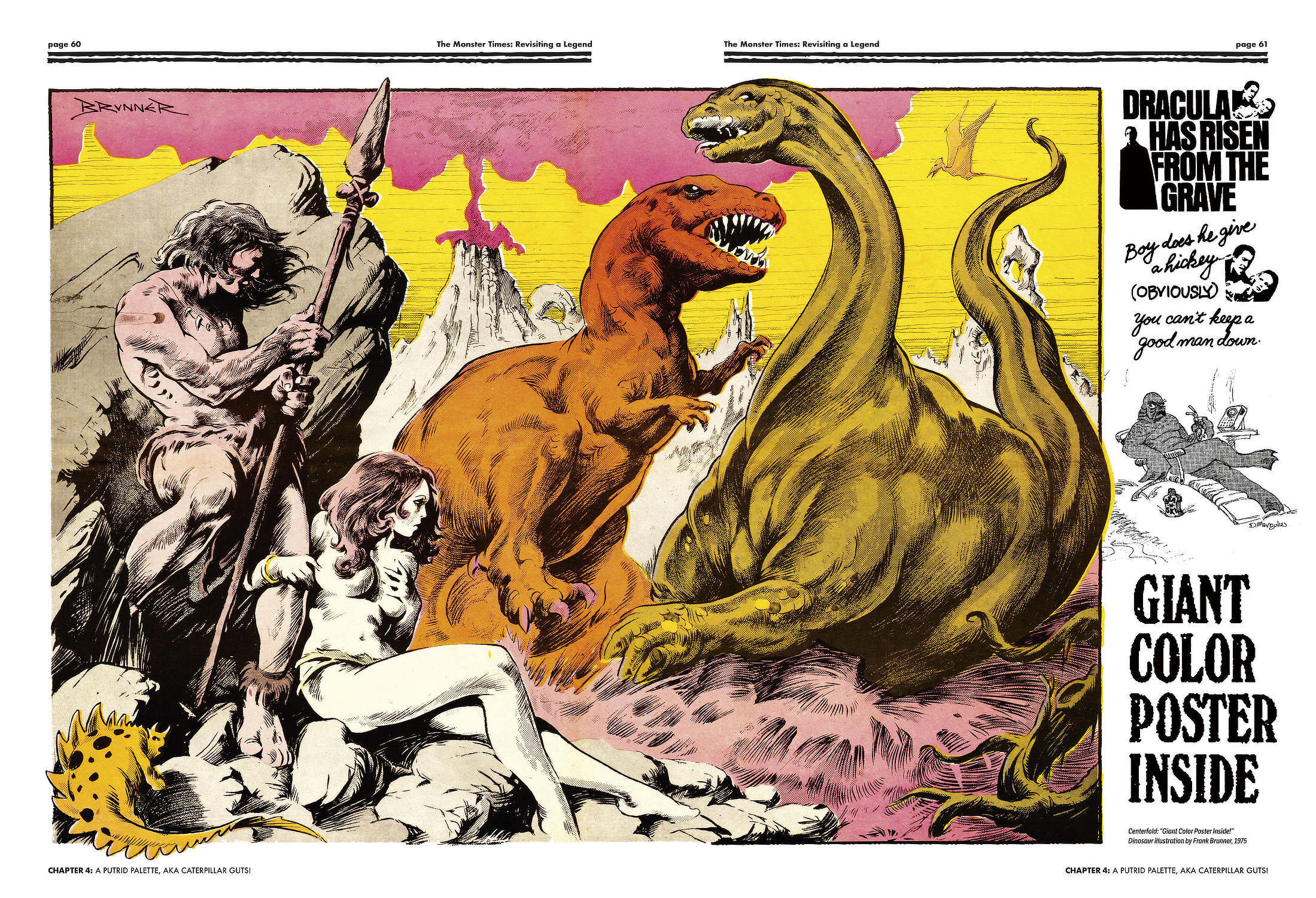
TMT debuted in 1972. The same year, Marvel Comics introduced Ghost Rider, Werewolf by Night and Tomb of Dracula while DC offered Swamp Thing and House of Secrets. Neal Adams, Gray Morrow, Frank Brunner as well as Wrightson and Jones found a welcoming platform in TMT with opportunities to provide the centrefold, a four-panel strip or—in the case of Adams—a dashing portrait of the Prince of Darkness as he sits for his one-on-one interview.
Bill Nelson is a singular talent who created the flyleaf image, Monster Rushmore and the must-be-seen-to-be-believed Quasimodo string puppet. Bonkers, but totally memorable.
7. Why should Korero readers buy this book? Give us your best pitch!
CF: A visual time capsule of mid-1970s American pop culture awaits both old and new readers to TMT’s indelible impact on all aspects of fandom. Trekkies, monster kids and aficionados of all things weird will feel welcome and included in the big tent that is The Monster Times.
NN: Fans of The Monster Times and people just now discovering the TMT ’tude will enjoy this book. TMT’s brand of humour with a bite is timeless—you’ll see how TMT led the way in refining today’s sensibility.
Turn any page and it will transport you to what you loved about TMT—and for new readers, be prepared to immerse yourself in pop culture greatness, get ready to laugh out loud, and, while you’re absorbing the visual puns, classic comix and artwork, revisit the roots of today’s pop culture universe and see how its enduring themes resonate today.
Grab your copy of The Monster Times today.
Order Your Copy